The Amazing Benefits Of Pool Heating And How You Can Extend Your Swimming Season
When you have a pool, most owners only think of the warm sunny days when they used them. Those were the days when the pool was utilized to its fullest. Whether it be friends or family, everyone could easily use the pool but as winter approaches, you are ready to put a cover on it.
But wait, what if we told you there is a way to extend the use of your pool well into the winter? This can be achieved using pool heating. As the name suggests, a pool heating system will raise the temperatures of the water and make it comfortable enough to take a dip on colder days too.
Key Takeaways
- Pool heating can help you extend your swimming season and enjoy your pool in cooler weather.
- Solar heaters, electric heat pumps and gas heaters all offer different advantages depending on your pool, budget and usage.
- Factors such as pool size, heater efficiency and operating costs are important when choosing the right system.
- A professional pool installer can help you select the most suitable heating option for your home and lifestyle.
There are a number of different ways you can heat your pool, and the right choice depends on your climate, usage habits, running-cost preferences and the size of your pool.
Solar Pool Heaters
Solar pool heating is a popular option for homeowners who want to make use of the sun’s energy to warm their pool water. While the installation cost can be higher upfront, solar heating can be an appealing long-term option for reducing ongoing heating costs.
A solar pool heating system generally includes four main components:
- a solar collector
- a filter
- a pump
- a flow control valve
In a typical setup, pool water passes through the filter and then into the solar collector, where it is heated before being returned to the pool. Some systems also include automatic valves and sensors to help regulate water flow through the collector.
There are different types of solar collectors available. Unglazed collectors are often made from rubber or high-grade plastic and may suit milder climates, while glazed collectors have a glass coating and are generally better suited to harsher conditions.
Benefits of Solar Pool Heating
- uses the sun as an energy source
- can reduce long-term operating costs
- works well for homeowners who want a more energy-efficient option
Things to Consider
- higher upfront installation cost
- performance depends on weather and sunlight
- system choice should suit local climate conditions
Electric Heat Pumps
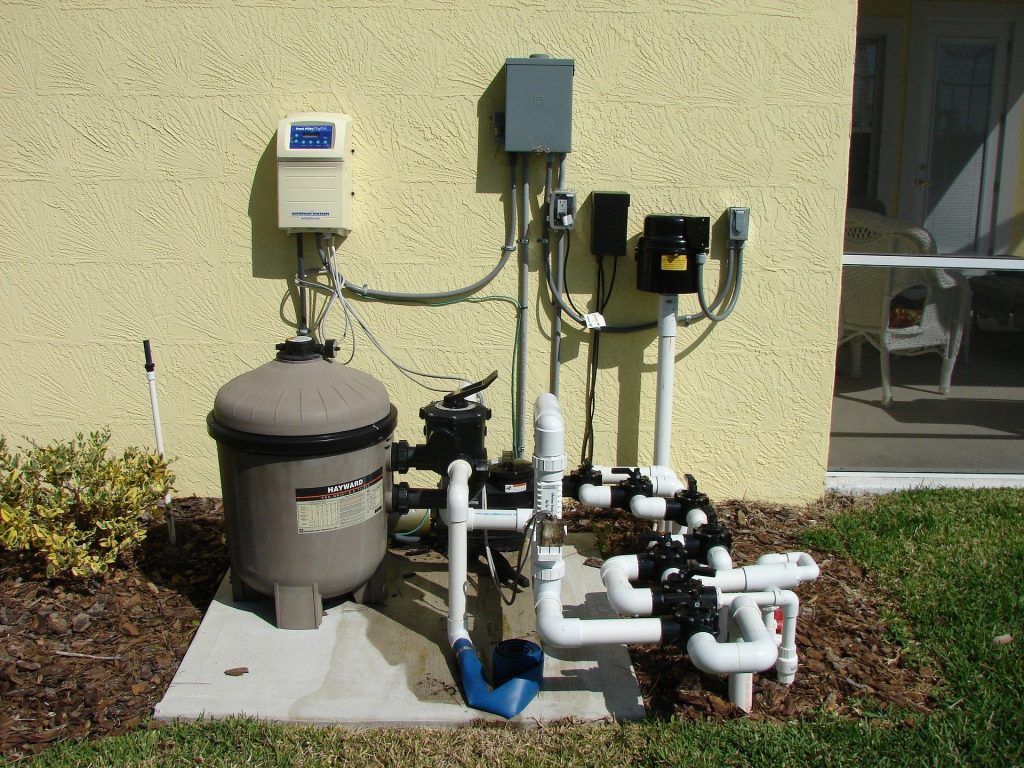
Electric heat pumps are another popular option for pool heating. Rather than generating heat directly, they use electricity to capture heat from the air and transfer it into the pool water.
As the pool water circulates through the filter, the heat pump draws in outside air. A refrigerant absorbs the heat, the compressor increases it, and the condenser then transfers that heat into the circulating pool water.
Heat pumps tend to work more efficiently when the air temperature is warmer. On colder days, they can still work, but the process may take longer because there is less heat available in the air.
What to Look at When Choosing a Heat Pump
Size of the heat pump
The size of the heater should match the size and surface area of your pool. Before choosing a unit, it is worth considering your target swimming temperature, how cold the weather gets, and how much you will need to raise the water temperature on cooler days.
Efficiency
An efficient pool heater will generally use less electricity to operate, which can help lower long-term running costs. Comparing efficiency ratings can help you make a better-informed decision.
Costs
The size and efficiency of a heat pump will influence its operating costs. For many homeowners, a heat pump offers a good balance between performance and ongoing affordability, especially when the pool is used regularly.
Gas Pool Heaters
Gas pool heaters remain a well-known option for homeowners who want fast heating performance. They are often a strong choice for pools that are not used every day but need to be heated quickly when required.
Gas heaters can maintain the water at a comfortable temperature even in cooler conditions, which makes them attractive for people who want reliable heating without waiting too long for the water to warm up.
What to Consider with Gas Heaters
Size
The size of the unit should be matched to the size and surface area of your pool. A trained professional can help determine the most suitable gas heater for your setup.
Efficiency
Gas heater efficiency refers to how much usable heat you get from the fuel being consumed. Choosing a more efficient unit can improve value over time.
Operational Costs
Fuel costs are one of the key ongoing considerations with gas heating. Depending on how often you heat the pool, gas heaters can cost more to run than some other heating systems, although they do offer quick and effective performance.
Using a pool cover may also help reduce heat loss and improve overall heating efficiency.
How to Choose the Right Pool Heating System
There is no one-size-fits-all answer when it comes to pool heating. The best option depends on how often you use your pool, how quickly you want it heated, your budget, and what level of running costs you are comfortable with over time.
Questions worth asking include:
- Do you want to heat the pool regularly or only from time to time?
- Are you more concerned with lower upfront cost or lower running costs?
- How important is rapid heating?
- What is the size and surface area of your pool?
- Will you also use a pool cover to improve efficiency?
Professional Advice Matters
Because pool heating needs to be matched carefully to the size, usage and layout of your pool, it is a good idea to speak with an experienced professional before making a final decision. The right advice can help you avoid overspending, improve efficiency and make sure the system suits your needs.
If you are planning a new pool or upgrading your existing setup, speaking with a professional pool installer can help you choose the best heating option for your property.
Conclusion
Pool heating can make a big difference to how often and how comfortably you use your pool. Whether you choose solar heating, an electric heat pump or a gas pool heater, the right system can help you extend your swimming season and get more enjoyment from your backyard.
By weighing up installation costs, efficiency, running costs and performance, you can choose a heating solution that suits your lifestyle and helps you get more value from your pool all year round.
If you are exploring pool options and accessories for your home, contact Barrier Reef Pools Perth to discuss the best setup for your space and swimming goals.
Frequently Asked Questions
What are the benefits of pool heating?
Pool heating helps extend your swimming season, keeps the water more comfortable, and allows you to use your pool more often throughout the year.
What is the best type of pool heater?
The best type depends on your budget, pool size, climate and how often you use the pool. Solar heaters, electric heat pumps and gas heaters all suit different needs.
Are solar pool heaters worth it?
Solar pool heaters can be worth it for homeowners who want lower long-term running costs and have good sun exposure, even though the upfront installation cost can be higher.
How do electric heat pumps work for pools?
Electric heat pumps capture heat from the air and transfer it into the pool water, making them an efficient option for regular pool use.
Are gas pool heaters expensive to run?
Gas pool heaters can have higher ongoing fuel costs than some alternatives, but they heat water quickly and work well for pools that are used less often.
Can a pool cover improve heating efficiency?
Yes, a pool cover can help reduce heat loss and improve the overall efficiency of your pool heating system.